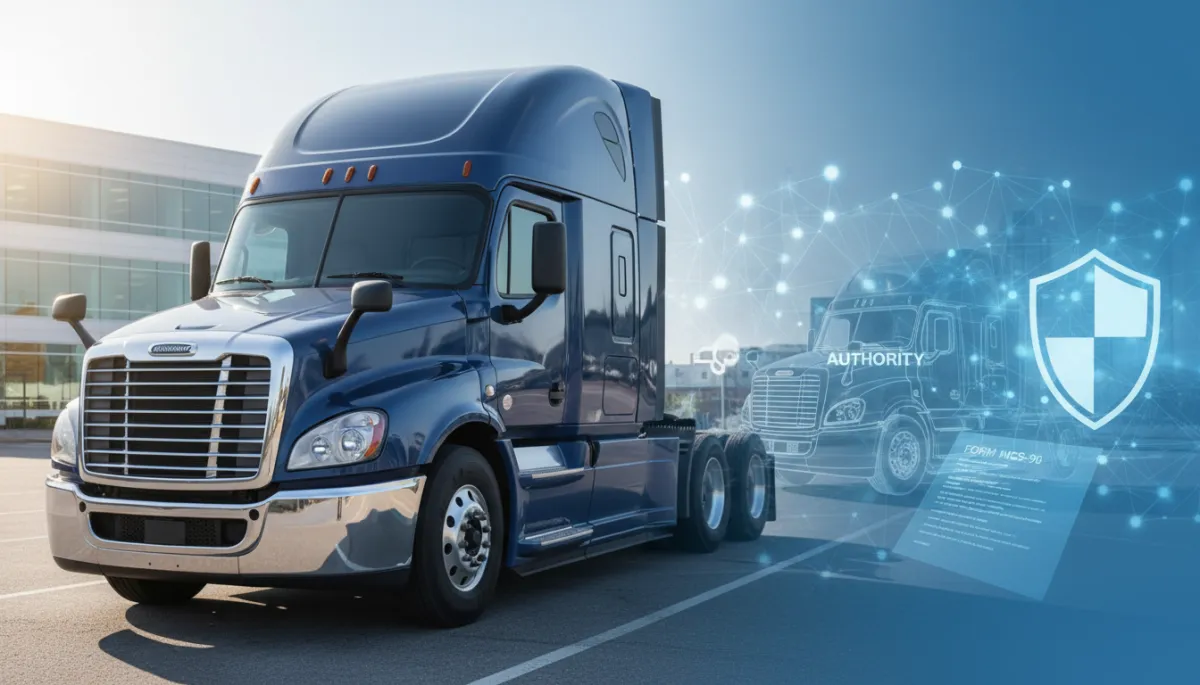
Complete Guide to New Authority Trucking Insurance
Trucking Insurance, New Authority Trucking Insurance
New Authority Trucking Insurance: The Complete Guide
Just received your MC and USDOT numbers and ready to haul your first load? Before you move a single mile, you must have the right new authority trucking insurance in place and properly filed with FMCSA. This guide walks you step by step through what you are legally required to carry, smart optional coverages, the activation timeline, and how to avoid costly beginner mistakes.

Step 1: Understand FMCSA Insurance Requirements for New Authorities
As a brand-new carrier, you cannot legally operate until your insurance company files proof of liability coverage with the Federal Motor Carrier Safety Administration (FMCSA). For most new trucking authorities hauling general, non-hazardous freight in vehicles over 10,000 pounds GVWR, the federal minimum is $750,000 in primary auto liability (49 CFR Part 387, FMCSA ).
Your insurer must submit a BMC‑91 or BMC‑91X filing to FMCSA showing you meet the minimum liability limits. On your policy, this is backed by the MCS‑90 endorsement, which guarantees you have the financial responsibility to pay covered claims, even if something in the policy would otherwise limit coverage. You do not file these forms yourself—your insurance company does it electronically on your behalf.
Step 2: Know Which Coverages Are Required vs. Recommended
For most new authorities, only primary liability is federally required to activate your MC number. However, running with just the bare minimum is risky. A solid new authority trucking insurance package usually includes:
- Primary Auto Liability (Required): Pays for bodily injury and property damage you cause to others in an at‑fault crash. Must meet FMCSA insurance requirements for new authority—typically at least $750,000 for general freight, higher for hazmat or passenger operations.
- Cargo Insurance (Highly Recommended): Covers the freight you haul if it is damaged, stolen, or lost. Many brokers and shippers require cargo limits of $100,000 or more before they will load you, even though FMCSA does not mandate it for most carriers today.
- Physical Damage (Collision & Comprehensive): Protects your truck and trailer against accidents, theft, fire, vandalism, and certain weather events. If you have a loan or lease, your lender will almost always require this coverage.
- Bobtail / Non‑Trucking Liability: Covers you when you are driving the tractor without a trailer or using it for limited personal use while under a permanent lease. This fills gaps when your motor carrier’s policy does not apply.
Additional options—such as general liability, rental reimbursement, and downtime coverage—can further protect your business and cash flow as you grow.

Choosing the right mix of coverages early can prevent major financial setbacks.
Step 3: Avoid Common New Authority Insurance Mistakes
First‑time owner‑operators often learn insurance lessons the hard way. Some of the most expensive mistakes include:
- Underinsuring to “save” money: Choosing the lowest possible limits or skipping cargo and physical damage may reduce your premium now, but one serious claim can put your entire business and personal assets at risk.
- Using a personal auto policy for a commercial truck: Personal auto insurers do not cover for‑hire trucking. If you try to use a personal policy for commercial operations, claims are likely to be denied and you could face policy cancellation and legal issues.
- Waiting too long to bind coverage: FMCSA gives new authorities roughly 90 days from the date your MC is granted to get your insurance and BOC‑3 filed. If you wait until the last minute, your authority can go inactive, forcing you to restart the process and lose valuable time and revenue.
Step 4: Timeline from MC Number to Being Road‑Legal
- Day 0–1: MC and USDOT issued. As soon as you receive your numbers, you can start shopping new MC number insurance quotes. This is the ideal time to speak with a specialist who understands FMCSA insurance requirements for new authority carriers.
- Day 1–7: Bind coverage and file. Once you select a policy, your insurer issues the BMC‑91/BMC‑91X filing and attaches the MCS‑90 endorsement. You or your compliance provider should also submit the BOC‑3 process agent filing during this period.
- Day 7–21: FMCSA updates status. After filings are accepted, FMCSA updates your authority to “Active.” At this point, with plates, IFTA, and other state requirements handled, you are road‑legal and can begin hauling loads.
Remember, you remain in the FMCSA New Entrant program for about 18 months, including a safety audit. Operating without required insurance at any time can lead to immediate out‑of‑service orders and audit failure.
Step 5: Work with a Specialist in New Authority Trucking Insurance
Because premiums for new authorities are often 30–50% higher than for established fleets, it pays to work with an agency that focuses on this niche. New Legacy Insurance specializes in new authority trucking insurance, helping first‑time owner‑operators structure coverage that satisfies FMCSA, keeps brokers happy, and protects your investment—without overpaying.
Get Covered and Get on the Road with New Legacy Insurance
You worked hard to secure your authority—do not let insurance confusion delay your first load. New Legacy Insurance can walk you through every step of the process, from meeting FMCSA insurance requirements for new authority to selecting the right mix of liability, cargo, physical damage, and bobtail coverage for your business plan and budget.
Ready to get a quote or ask questions?
• Book a consultation online: https://api.newlegacyinsurance.com/widget/booking/03FLejc1cvpjb1JC0g1V
• Start a quick quote form: https://api.newlegacyinsurance.com/widget/form/mpXRybXm4EGYxv0RXJwf
• Call 336‑338‑3378 to speak with AI agent Alex 24/7 for instant help
• Call 336‑777‑6545 to reach a live agent Monday–Friday
Take the next step today so your new authority is properly insured, fully compliant, and ready to earn from your very first trip.
